🎉 Chrome 확장 프로그램 출시! 브라우저에서 실시간 시장 가격을 확인하세요.지금 설치
Kuwait's airspace closure and Israeli warnings after US strikes on Iran signal a dangerous escalation, putting oil markets on edge.
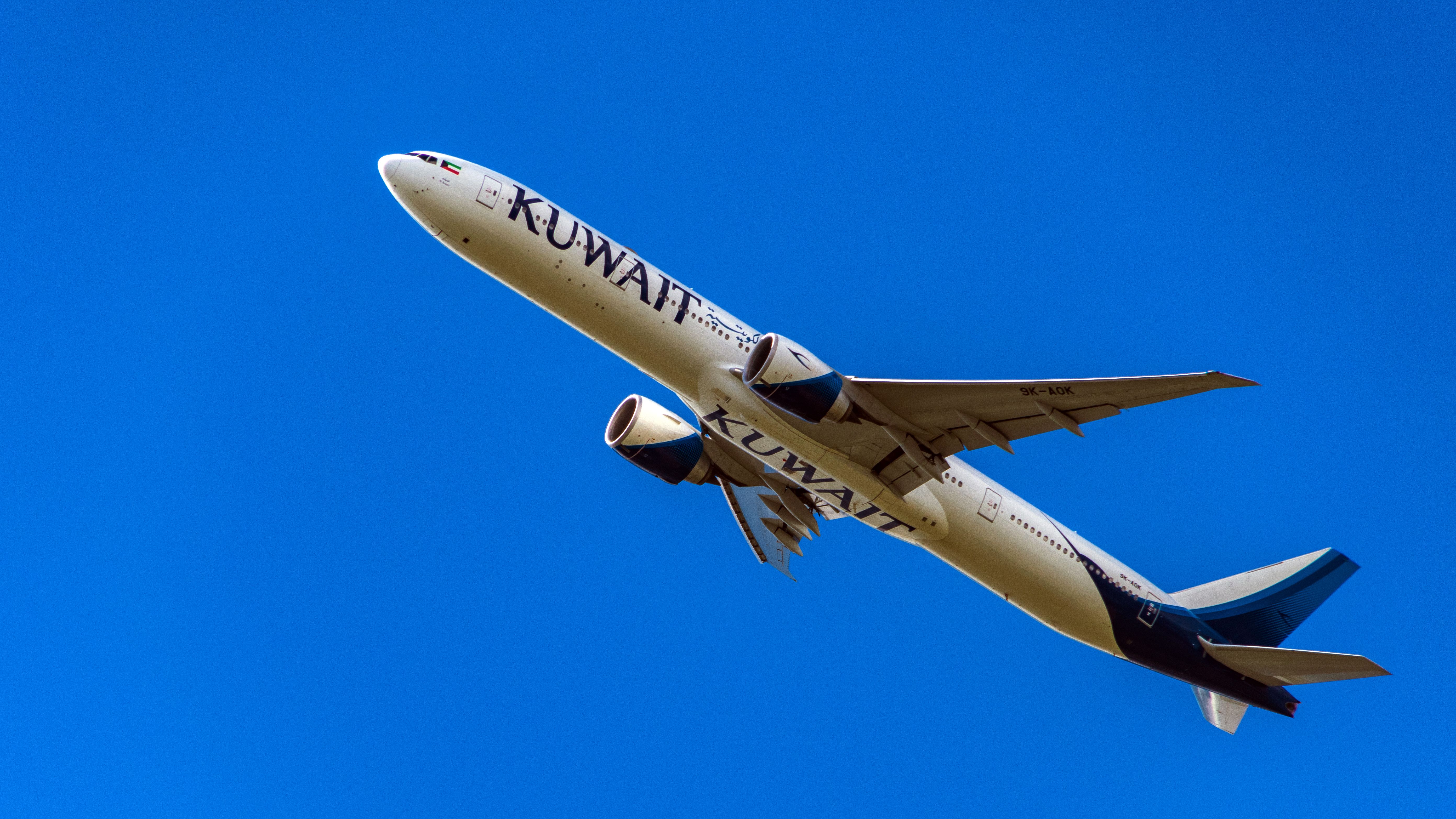
Kuwait just slammed its airspace shut, a move swiftly followed by an Israeli warning of potential missile launches from Lebanon. This comes on the heels of renewed US strikes against Iran, tossing the Middle East back into a dangerous volatility spiral. The region’s geopolitical risk premium is flashing red, pushing commodity traders to the brink.
The immediate trigger is President Donald Trump’s promise of “more attacks” on Iran, a stark reversal from his earlier claims that a deal to end the war was “near.” This whiplash in rhetoric creates profound uncertainty, amplified by Iran’s swift response: closing its own airspace and launching missile and drone attacks. Regional reports from earlier this week indicate missile strikes on Israel and even a fire burning in Kuwait, highlighting the expanding geographic scope of the conflict.
Airspace closures across Iran, Iraq, and Syria underscore the heightened state of alert. For anyone trading the energy complex, the stability of these critical transit routes is paramount. The conflicting signals from the White House – peace one moment, escalation the next – are leaving markets guessing at Washington’s true strategy and Tehran’s next move. It's a high-stakes poker game where every tweet and every strike has tangible consequences.
Traders are now focused on a handful of qualitative catalysts that could dictate the next market moves:
This latest flare-up throws a wrench into global market sentiment, pulling focus sharply from recent tech rallies and AI euphoria. Just weeks ago, headlines were dominated by the . Now, geopolitical risk is back front and center, reminding everyone that market narratives can shift on a dime. The ongoing strikes and retaliations inject a significant risk premium into crude, with traders pricing in potential supply disruptions rather than just demand fundamentals. It's a classic safe-haven play, where the smart money is weighing the possibility of a wider regional conflict against global growth prospects.
This isn't a time for complacency. The immediate focus is on crude oil (CL=F, WTI). Expect elevated volatility and sharp reactions to every fresh headline. Monitoring regional news outlets and geopolitical analysts is as critical as watching the tape right now. The risk of a supply shock is very real, and any indication of direct impact on oil infrastructure or shipping lanes will trigger aggressive buying. Traders need real-time data, and platforms like RealMarketAPI provide crucial live price feeds and WebSocket streams for instruments like crude and gold. Keep your hedges in place and remain nimble; this situation can turn on a dime. The contradictory signals from leadership mean expecting the unexpected is the only play.