🎉 Chrome 확장 프로그램 출시! 브라우저에서 실시간 시장 가격을 확인하세요.지금 설치
Master risk-managed breakout trading on H4 for indices. Discover strategies, mitigate risks, and leverage data APIs for consistent gains in volatile markets. Learn how.
Major indices often reach critical inflection points, creating explosive opportunities—and equally significant risks. In today's algorithmic-driven markets, a disciplined approach is paramount. The H4 timeframe for indices offers a sweet spot: enough volatility for substantial moves, yet long enough to filter out much of the intraday noise. Understanding risk-managed breakout trading on H4 for indices is no longer optional; it's essential for capturing significant trends with a disciplined approach.
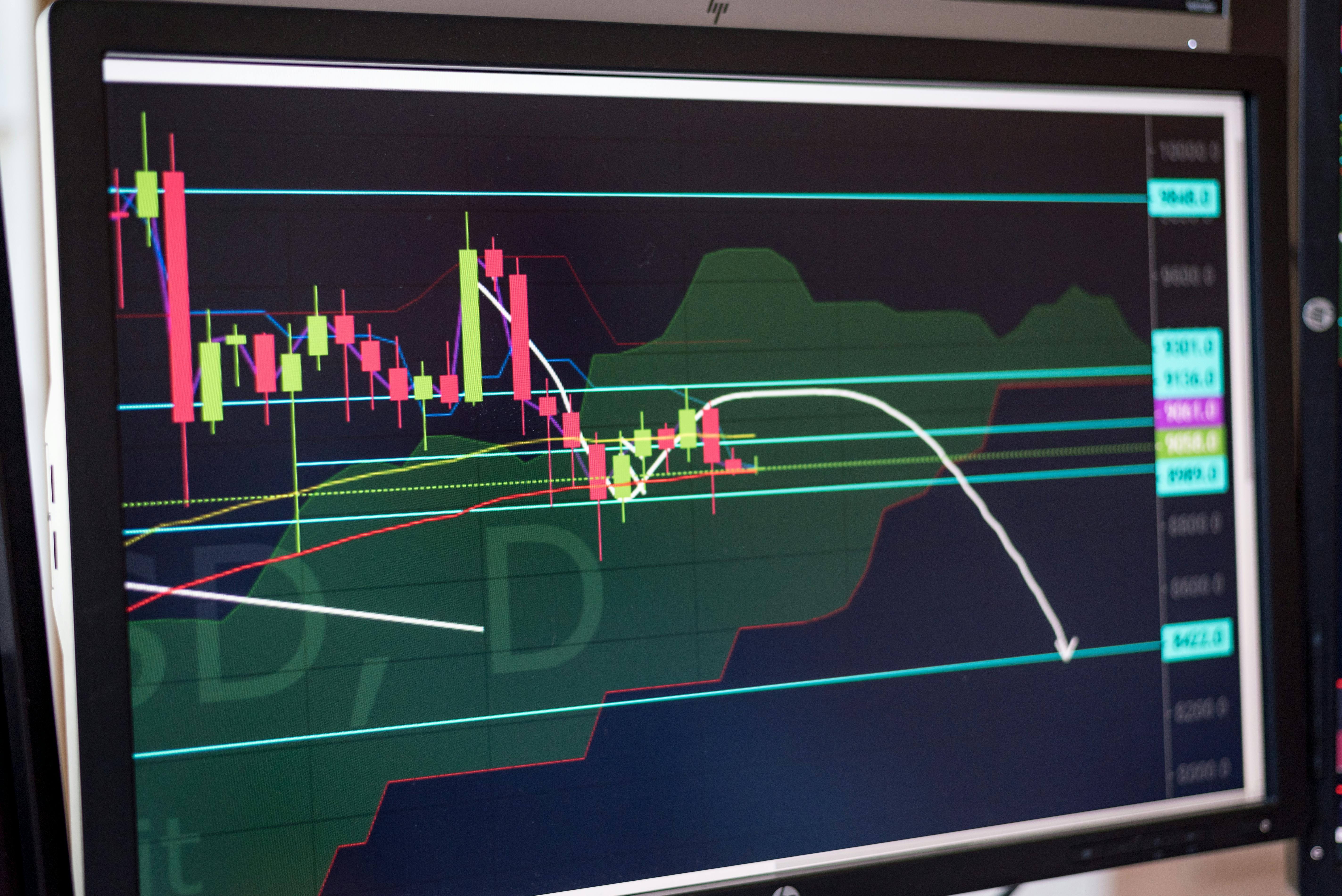
Global indices like the S&P 500 (SPX), Nasdaq 100 (NDX), or DAX (DAX) frequently exhibit periods of consolidation, forming clear price ranges. These ranges, often vividly apparent on the H4 chart, act like coiled springs, building energy for a future directional move. When price breaches these established levels with conviction, often accompanied by increased trading volume, a true breakout occurs.
Recent market dynamics, influenced by global macro shifts, technological advancements, and corporate earnings reports, are creating more pronounced consolidation patterns followed by sharp, sustained directional moves. Recognizing these market structure shifts and price action signals on the H4 timeframe allows traders to position themselves for substantial swings while avoiding the noise of lower timeframes.
For traders, this strategy targets large, sustained moves, reducing the need for constant monitoring compared to scalping or intraday trading. It prioritizes capital preservation through predefined risk parameters, making risk management a cornerstone for systematic indices trading. This approach appeals to those seeking a balance between active participation and a less stressful trading experience.
Developers, on the other hand, find significant opportunities in automating breakout strategy detection and execution. Building robust systems to automatically identify H4 consolidation patterns, track breakout levels, and execute trades with precise stop-loss and take-profit orders can transform manual effort into programmatic efficiency. For those looking to rigorously test such systems, understanding how to validate your strategies is key. You might find value in exploring 10 Steps to Building Backtesting a Breakout Trading Strategy for Derivatives, which outlines comprehensive backtesting methodologies.
Implementing risk-managed breakout trading on H4 for indices requires a structured approach:
For precise and low-latency data to identify these setups, connecting to a reliable financial data platform like RealMarketAPI is invaluable. It provides live price feeds and historical OHLCV data essential for both backtesting and real-time execution. Developers can integrate their APIs to automate the detection of H4 range breaks and manage orders programmatically. The full endpoint reference for such integrations is available in the RealMarketAPI Docs. Delving deeper into data precision, especially for indices, can significantly enhance strategy performance. Consider the insights from 5 Key Methods: Comparing Professional Tick Data Processing for Indices for optimizing your data pipeline.
While powerful, this strategy isn't without its pitfalls. What to watch out for:
Mitigations are key to long-term success:
volatility, by confirming execution prices against your intended entry.The H4 timeframe provides a robust canvas for risk-managed breakout trading on H4 for indices. It’s a strategy that blends clear directional potential with explicit risk control, making it highly attractive for both discretionary traders and developers building sophisticated automated systems. By meticulously identifying consolidation, confirming breakouts, and rigidly applying robust risk management principles, you can systematically capture powerful moves in leading global indices. Embrace the discipline and leverage accurate, real-time data to unlock these compelling opportunities in your trading journey.