🎉 Chrome拡張機能が登場!ブラウザでリアルタイムの市場価格を取得しましょう。今すぐインストール
Severe East Coast storms torpedoed America's 250th birthday parties, leaving traders to eye commodity markets for immediate and lingering disruptions.
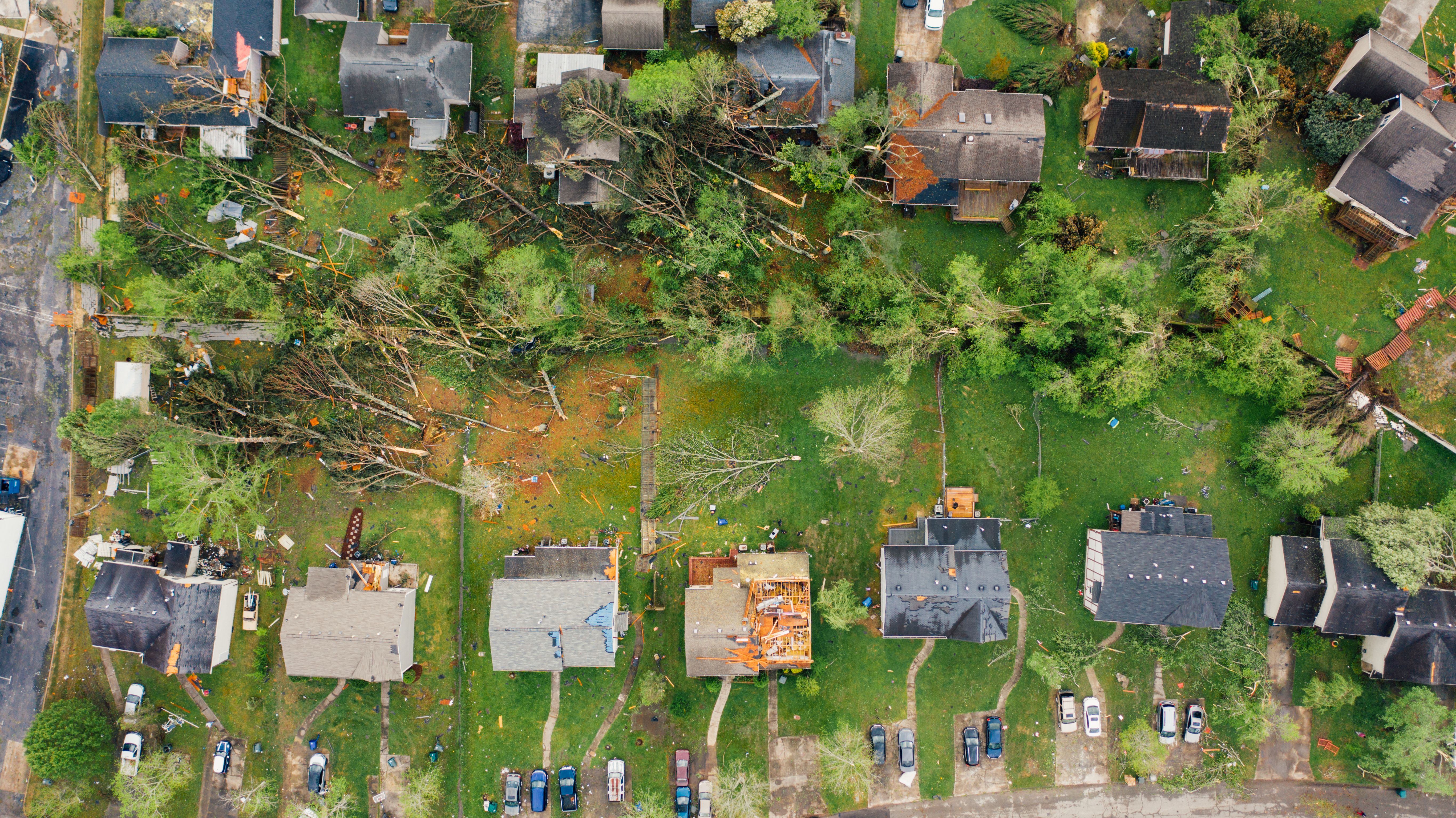
Severe weather tore through East Coast cities this past Saturday, turning America's 250th Independence Day celebrations into a washout for many and abruptly shifting market attention from fireworks to forecasts. Washington D.C., among other major hubs, saw festivities curtailed, a stark reminder of how quickly macro events can disrupt economic activity, especially in the sensitive commodity sector.
The immediate impact, flagged under "Commodity" in early reports, centers on disruptions to travel, event logistics, and potentially localized energy demand/supply. Large-scale public gatherings, even with President Trump committed to speaking in D.C. despite the downpour, require massive infrastructure support and supply chains that are highly susceptible to sudden meteorological shifts. Think fuel for generators, food and beverage deliveries, and the sheer human effort involved in setting up and tearing down events.
This isn't just about canceled parades; it's about the ripple effect through sectors dependent on consumer activity and smooth operations. Transportation and hospitality stocks could feel a short-term squeeze, while energy plays might see localized spikes in demand for certain fuels if power grids are affected, or a dip in overall gasoline consumption as travel plans get scrapped. Traders are parsing reports for signs of broader logistical snarls, particularly as the East Coast represents a significant consumer market.
This weather event, while seemingly localized, hits at a critical juncture for the economy. Coming off a period where the SPX has seen fresh highs driven by tech and AI narratives, this serves as a potent reminder that real-world, physical disruptions still wield significant power. It pulls focus back to the foundational elements of the economy – energy, logistics, and consumer resilience. A robust celebration of the 250th anniversary was expected to inject a psychological boost, and its disruption might marginally temper that enthusiasm, shifting some focus from speculative growth to more defensive real-economy plays. The broader market's ability to absorb such shocks without a major correction is always a key indicator, even as attention might be on S&P 500 Hits Record Highs: Is AI's Chip Frenzy Just Starting? in other sectors.
Keep an eye on short-term plays in specific commodity futures, especially those tied to logistics and energy in the affected regions. A swift recovery could present quick bounce opportunities, while prolonged disruptions might signal deeper supply chain vulnerabilities. Anyone trying to front-run the recovery on key commodities will be glued to real-time tick data, easily streamed from RealMarketAPI, looking for signs of stabilization or further stress. This isn't just a weather story; it's a liquidity test for localized markets and a potential bellwether for how quickly the broader economy can shrug off unexpected, non-macro shocks. Traders should be quick to identify sectors experiencing temporary demand suppression versus those facing genuine, lasting supply issues.